Many people researching lipedema wonder whether the condition is simply another form of obesity. Although the two may appear similar at first glance, they are not the same. Board-certified plastic surgeon Dr. Arnold Breitbart often meets patients who have spent years trying diet and exercise programs before learning that lipedema may be contributing to their symptoms.
Understanding how lipedema differs from obesity can help patients recognize when specialized evaluation may be helpful.
Lipedema and Obesity Are Different Conditions
Obesity is generally defined as excess body fat, as measured by a body mass index (BMI) of 30 or higher. Weight gain related to obesity tends to affect the entire body and may improve with lifestyle changes such as nutrition, exercise, and medical weight management.
Lipedema is different. This chronic disorder causes abnormal fat buildup in specific areas of the body, most commonly the legs and, less commonly, the arms. The fat associated with lipedema often feels firm or uneven beneath the skin and may be tender to the touch.
Another important difference is the distribution of body fat. Lipedema usually develops symmetrically in the lower body while the feet remain relatively unaffected. This can create a noticeable difference in the size of the upper and lower bodies.
Can Someone Have Both Lipedema and Obesity?
Yes. A person can have lipedema and still meet the medical definition of obesity if their overall body weight falls within that range. Lipedema refers to a specific pattern of abnormal fat accumulation, while obesity describes total body weight.
Because lipedema fat often does not respond to traditional weight loss strategies, some patients may continue to struggle with disproportionate areas of fat even after losing weight.
Signs That Lipedema May Be Present
People with lipedema often notice symptoms that are not typical of ordinary weight gain. These may include:
• Legs that appear much larger than the upper body
• Easy bruising
• Tenderness or pain when the affected areas are touched
• A feeling of heaviness in the legs
• Fat that does not significantly change despite weight loss efforts
Treatment Options for Lipedema
Some people with lipedema manage symptoms with compression garments or lymphatic therapies designed to reduce swelling and discomfort. But for patients whose symptoms affect mobility or quality of life, surgical options may be considered.
Liposuction procedures designed specifically for lipedema can reduce the abnormal fat that contributes to heaviness and discomfort.
In patients who also develop significant loose or overhanging tissue in their lower abdomen, Dr. Breitbart can perform a procedure called panniculectomy to remove excess tissue and restore a smoother, tighter midsection.
A consultation with Dr. Breitbart allows the treatment plan to be tailored to your unique needs and goals.
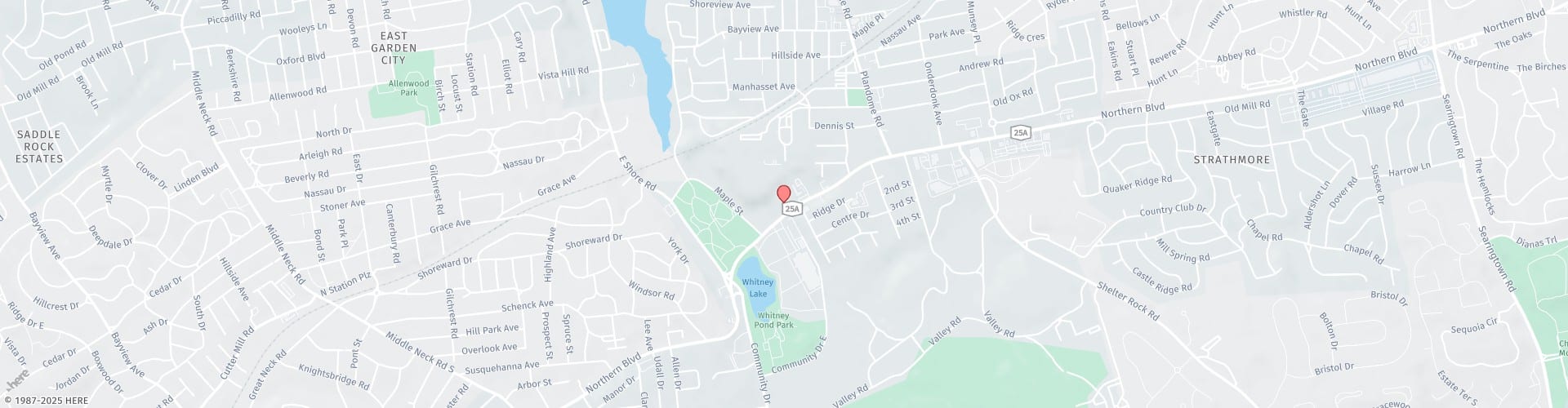
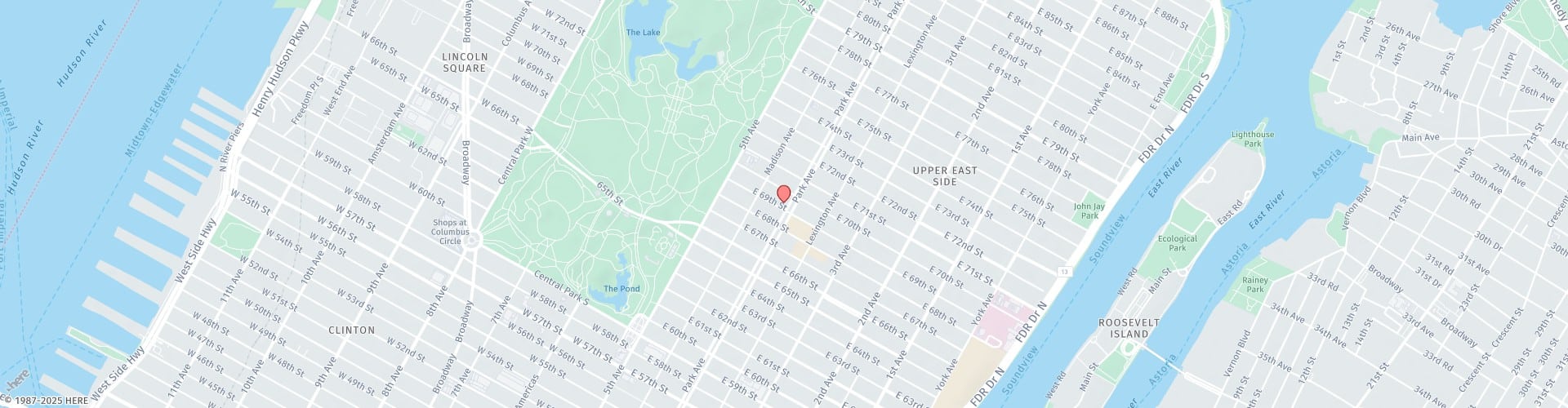
Lipedema consultations in Long Island or Manhattan
If you suspect that lipedema may be contributing to discomfort or changes in your body, a professional evaluation can help clarify your options. Call 516-365-3511 to schedule a consultation with Dr. Arnold Breitbart in Long Island or Manhattan.