Explore Topics On This Page
- What is Male Breast Reduction?
- Why Choose Dr. Breitbart
- What is Gynecomastia?
- Recovery & Results
- Benefits
- Causes and Types
- Evaluation and Diagnosis
- Are You a Candidate?
- A Variety of Treatment Options
- Symptoms
- Emotional and Psychological Impact
- Recovery
- Cost of Male Breast Reduction Surgery
- Choosing the Right Gynecomastia Surgeon
- Schedule a Consult
- FAQs
Enlarged male breast tissue, known as gynecomastia, is a common condition that can affect men at different stages of life. It may be caused by hormonal changes, genetics, weight fluctuations, or certain medications, and it often does not respond to diet or exercise. For many patients, this can lead to discomfort, limitations in clothing choices, and concerns about chest appearance.
Dr. Arnold S. Breitbart, MD, a board-certified plastic surgeon with more than 30 years of experience, provides male breast reduction procedures for patients in Long Island and Manhattan. His approach emphasizes precise contouring, individualized treatment planning, and natural-looking results. Male breast reduction is designed to remove excess tissue and create a flatter, more defined chest, helping patients achieve improved proportion and move forward with greater confidence.
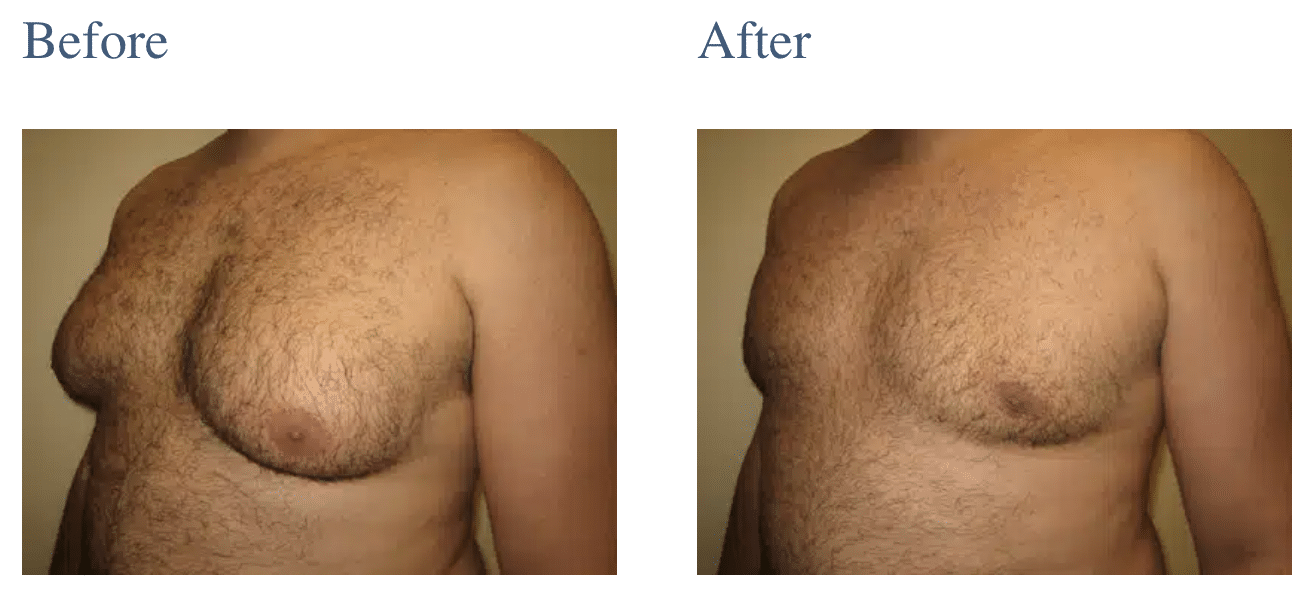
What is Male Breast Reduction?
Male Breast Reduction is a surgical procedure designed to reduce excess breast tissue in men and create a flatter, more masculine chest contour. The procedure addresses enlarged male breasts, which can result from a combination of excess glandular tissue, fat, or skin. Male breast reduction can help improve physical comfort, enhance self-confidence, and restore a more proportionate chest appearance. Dr. Arnold Breitbart, a board-certified plastic surgeon, specializes in this procedure and has helped many men achieve a natural, masculine chest shape, whether the issue has developed during adolescence or later in life.
What is Gynecomastia?
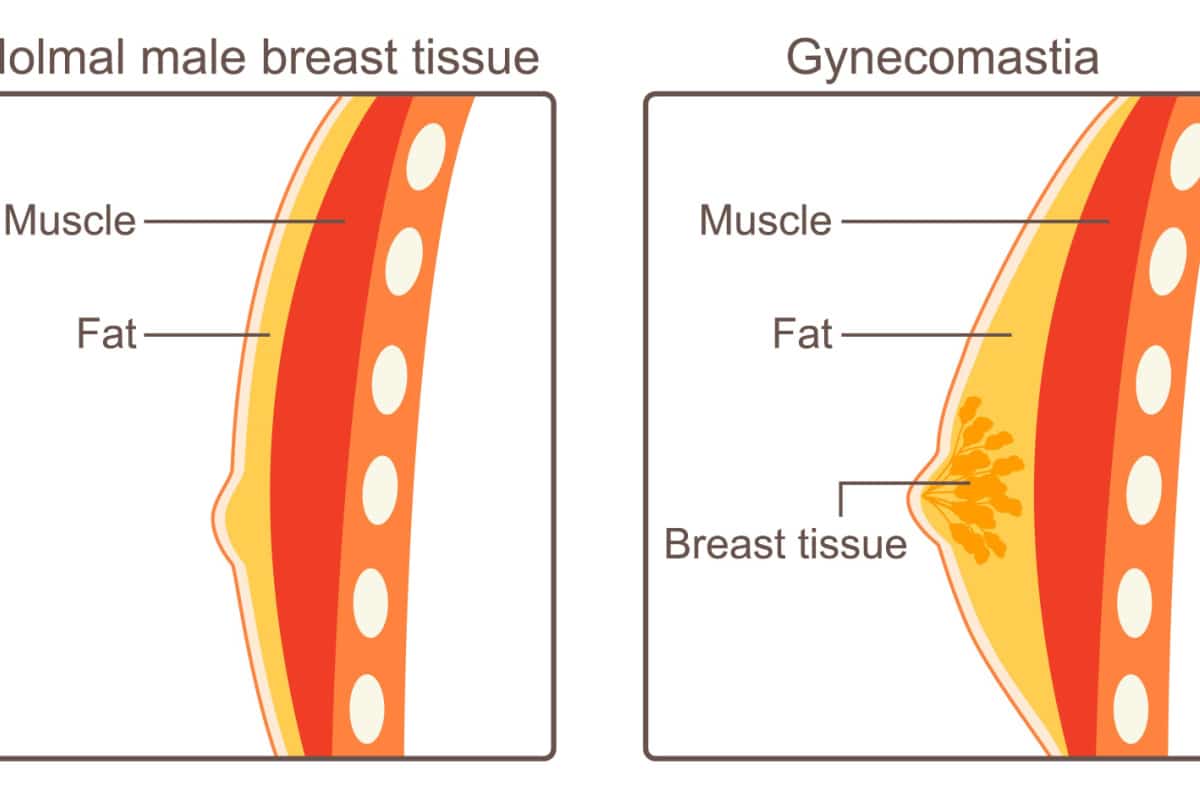
Gynecomastia is a medical condition that causes male breasts to overdevelop, leading to enlarged breasts, puffy nipples, and other painful, embarrassing symptoms. Enlarged male breasts often happen to pre-teens, teenagers, and older men, but men of all ages may develop gynecomastia. The excess glandular tissue may require surgical removal to create a flatter, more masculine chest contour. Dr. Breitbart specializes in gynecomastia correction with male breast reduction. Many of his patients have struggled with “man boobs” since adolescence.
Causes and Types of Gynecomastia
Gynecomastia may have one or more causes and is linked to some medications and drug use, such as marijuana, anabolic steroids, and heroin. Although many cases of gynecomastia cannot be specifically linked to a particular medical condition, some reasons gynecomastia develops include:
- Hormonal imbalances caused by changes in estrogen (female hormone) and testosterone (male hormone)
- Obesity and medical conditions, such as thyroid disorders, adrenal gland or pituitary gland tumors, testicular cancer, lung cancer, live disease, and kidney disease
- Pharmaceutical drugs, including chemotherapy, antidepressants, medicines for prostate cancer or cardiovascular disease, and antibiotics
Enlarged male breasts are most often benign (non-cancerous), and breast cancer in men is exceedingly rare. Gynecomastia in newborn babies is typically caused by residual estrogen in the infant’s blood from childbirth and resolves shortly after birth.
Gynecomastia is the overgrowth of glandular (breast) tissue, but many men may have associated pseudogynecomastia, which is excess fatty tissue in the breasts that can be resolved with liposuction alone. Researchers have broken the condition into three sub-types: intermediate, florid, and fibrous gynecomastia.
Your gynecomastia type is related to how long you’ve had excess breast tissue. Florid gynecomastia is the earliest stage when boys or men have experienced symptoms for four months or less and have increased tissue in the ducts. Gynecomastia enters the fibrous stage a year or more after symptoms arise and involves more stromal fibrosis (benign lumps). Intermediate gynecomastia is when the condition lasts longer than one year, which is when doctors recommend treatment.
Gynecomastia has grades of severity that progress from minimal excess breast tissue with puffy nipples to severe overdevelopment of the breasts that causes the tissue to crease the skin and droop or sag below that crease. The severity of your breast growth will affect your treatment plan or surgical technique.
Why Do Patients Choose Dr. Arnold Breitbart?
- Double board-certified plastic surgeon, with advanced fellowship training in breast reconstruction at Memorial Sloan-Kettering Cancer Center
- Decades of surgical experience performing breast augmentation with a proven record of safety and satisfaction. View his Before & After Breast Augmentation Gallery for examples of his results
- Customized implant selection and incision techniques to achieve natural, balanced, and personalized outcomes
- AAAASF-accredited surgical suite, providing hospital-level safety in a private, comfortable environment
- Nationally recognized expert, honored by Castle Connolly and Newsday. Explore Dr. Breitbart’s Honors & Awards
- Artistically inspired approach, combining surgical precision with a refined sense of proportion and aesthetics, praised consistently in Patient Reviews





Recognizing the Symptoms of Gynecomastia
Gynecomastia may occur in one or both breasts, starting as a lump or fatty tissue located under the nipple accompanied by soreness. The growth expands and may increase unevenly, causing nipple tenderness or pain upon touch. Pre-teens with gynecomastia typically have a breast bud about the size of a nickel or quarter under one or both breasts. Gynecomastia symptoms may be confused with other medical problems, which is why diagnosis with a qualified physician or plastic surgeon and possibly testing is necessary.
Many men with ongoing gynecomastia struggle with nipple sensitivity, chafing under t-shirts, and embarrassment over their “man boobs.” Gynecomastia surgery can restore their body confidence.
Emotional and Psychological Impact of Gynecomastia
The psychological impact of gynecomastia on young boys and men can be substantial. “Man boobs” may cause low self-esteem, a feeling of incompleteness, social phobias, and body dissatisfaction. Men with gynecomastia often experience body shame at social gatherings, and extreme cases may lead to suicidal thoughts.
A 2018 systematic review examined patients’ quality of life and mental health before and after gynecomastia surgery, including physical pain, limitations, emotional discomfort, and vitality. These various studies found a statistically significant improvement in many areas, such as:
- Decreased physical limitations
- Improved functioning
- Little to no pain
- Better general health
- Reduced social impact and embarrassment
- Better mental health
Many men reported better relationships with women, fewer limitations in daily activities, and less ridicule from others. They no longer felt embarrassed or isolated and experienced an improved personal life. Patients with depression and anxiety linked to gynecomastia saw improved psychological burden, suggesting a strong link between gynecomastia and psychological well-being. Treating the physical aspects of gynecomastia may drastically improve the mental health aspect of the condition.
Researchers suggest gynecomastia surgery with psychological evaluation may lead to the most successful management of symptoms.
Evaluation and Diagnosis
Gynecomastia diagnosis starts with a consultation with your healthcare provider or our plastic surgeon. They will take your medical history; discuss your medications, previous medications, and drug use; and perform a physical exam. In most cases, further diagnostic testing is not necessary, but occasionally, there are indications for further studies or an endocrinology work-up.
Sometimes, gynecomastia symptoms are caused by fatty breast tissue in obese patients (pseudogynecomastia), breast cancer (rare), or an infection of the breast tissue (also rare). A breast evaluation with Dr. Breitbart can diagnose gynecomastia, determine the cause of your symptoms, and decide if surgical intervention is necessary.
Treatment Options
Gynecomastia treatment in young males may start with “watchful waiting,” meaning our plastic surgeon may recommend waiting to see if the condition resolves itself. Enlarged male breasts during puberty may improve without treatment, usually in six months to three years. However, these adolescents may experience significant mental health concerns during that time, which is another consideration for gynecomastia surgery. Another treatment option may involve adjusting medications and lifestyle habits to stop breast growth and resolve symptoms. Hormone therapy with an endocrinologist is occasionally indicated to improve gynecomastia.
There are two techniques for gynecomastia correction: liposuction and excision. Gynecomastia surgery with Dr. Breitbart is tailored to your specific anatomy, cosmetic goals, and other concerns. Liposuction is usually used and may be combined with a gland excisional procedure to finely sculpt the chest. For some patients, liposuction alone can reduce breast fullness if they have primarily excess fat with good skin elasticity, while others often also require breast gland tissue removal and possibly skin excision.
The goal of gynecomastia surgery for all patients is to create a flatter, masculine chest while minimizing scars. Most patients will have incision lines concealed at the edge of the areola (darker skin around the nipple), which heal nicely and are hardly visible.
What Male Breast Reduction Can And Cannot Address
Male breast reduction is highly effective for improving chest contour, but it is important to have clear expectations about what the procedure can achieve.
Male breast reduction can address:
- Excess glandular breast tissue
- Fat accumulation in the chest
- Puffy or enlarged areolas
- Lack of chest definition
Male breast reduction does not address:
- Significant weight loss needs
- Underlying hormonal conditions without medical treatment
- Future changes caused by weight gain or medication
Dr. Breitbart evaluates each patient carefully to determine the cause of gynecomastia and recommend the most appropriate treatment plan.
Male Breast Reduction Benefits
Following gynecomastia surgery, patients typically experience a dramatic improvement in self-esteem and a newly found confidence among their peers. It is common for patients to become more social and less introverted following gynecomastia surgery, as their self-confidence significantly improves and they no longer are afraid of revealing their chest in public.
Are You a Candidate for Male Breast Reduction?
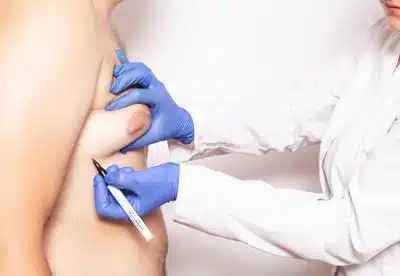
Gynecomastia surgery removes the excess breast tissue. For men and some teens who have struggled with “man boobs” for a year or longer, tissue removal may be necessary to improve their quality of life. During a consultation at our Long Island or NYC office, Dr. Breitbart can determine if gynecomastia surgery is right for you. Gynecomastia surgery typically requires patients to meet these criteria:
- Good overall health
- Healthy body mass index (BMI)
- Moderate to severe gynecomastia symptoms that do not improve with other treatment methods or medication changes
- No medical conditions or illnesses that may complicate the procedure or increase risks
- Non-smokers
- Non-drug users
- A positive mindset and realistic expectations for the procedure, recovery, and results
- Fully developed breasts
- Lowered quality of life due to large male breasts
Adolescents may benefit from gynecomastia surgery, depending on their age and how long they have had gynecomastia.
Male Breast Reduction Recovery
The healing process and timeline for male breast reduction to treat gynecomastia vary from patient to patient. Each procedure is customized to suit your individual needs, and the recovery depends on your natural healing properties, pain tolerance and the extent of the breast surgery.
In most cases of gynecomastia, there is an excess of both fatty tissue and breast glandular tissue.
These cases typically involve liposuction of the fatty component and direct excision of the glandular component. Incisions are usually made at the lower edge of the areola. They generally heal with a scar that is barely visible or not visible at all. When there is skin excess or substantial drooping of the breasts, skin excision may also be required. In cases where there is only fatty tissue excess, liposuction alone may adequately treat the condition. The type of procedure will directly impact your recovery.
Male Breast Fat Reduction Long Island NY
Initial recovery from male breast reduction takes less than a week, and most patients can return to work or school after a few days. During this time, you need to avoid strenuous activity to promote healing and prevent complications. You will have a compression garment to help ease swelling. You need to wear the support garment for a few weeks for the best results.
A drain (thin, hollow tube) may be placed to drain fluid that may accumulate under the skin. Drains are typically removed the day after surgery. Incisions are closed with dissolvable stitches under the skin, so no stitch removal is required. Itchiness is common following surgery but be sure not to scratch the area.
You may use over-the-counter or prescription pain medications to ease the discomfort during recovery, which will depend on your pain tolerance and the type of procedure. Most patients do not require prescription pain medication.
Post-Op Recovery Tips
Our board-certified plastic surgeon has these tips to help you through the recovery process after male breast reduction:
- Follow post-operative instructions
- Attend all follow-up appointments
- Wear compression garments as directed
- Eat a nutritious diet
- Drink plenty of water to stay hydrated
- Take the appropriate amount of time off work or school
- Wear loose-fitting clothing initially that does not require substantial raising of your arms
- Have a caregiver for the first 24 hours
- Limit strenuous physical activity until cleared to do so
Male Breast Reduction Results
Men typically see an immediate, dramatic improvement in their chest shape, which continues to look even better as the swelling subsides. The goal of male breast reduction is to provide a masculine contour with minimal scars. Dr. Breitbart usually places the incisions at the edge of the areola, so they are hardly noticeable, or not noticeable at all after recovery. Most of the swelling is gone within a few weeks after the surgery.
Cost of Male Breast Reduction Surgery
The cost of gynecomastia surgery or male breast reduction is unique for each patient. The severity of the condition and complexity of the procedure will affect the price, and the total cost includes fees for the plastic surgeon, anesthesia, and surgical facility and expenses for medical testing, post-surgery compression garments, and prescription medications.
You will receive a detailed price estimate during your gynecomastia consultation. However, be wary of a low-price tag from some surgeons as the cost may not include pre- and post-op care or the doctor may not have the experience or credentials to perform gynecomastia correction safely. Your results and health depend on a good surgeon, which is why it’s best to choose a board-certified plastic surgeon.
Choosing the Right Gynecomastia Surgeon
Selecting the plastic surgeon to perform your gynecomastia surgery is one of the most important decisions. While there are many male breast reduction providers, it’s in your best interest to choose a board-certified plastic surgeon specializing in aesthetic surgery to correct gynecomastia. These tips will help you narrow down your options:
- Consider the Doctor’s Experience and Education
- Explore Before-and-After Photos
- Read Online Reviews from Gynecomastia Patients
- Schedule a Consult to Meet the Plastic Surgeon

Gynecomastia FAQs
Why Choose Dr. Arnold S. Breitbart for Male Breast Reduction?
Dr. Arnold S. Breitbart brings decades of experience in both cosmetic and reconstructive surgery, with specialized expertise in gynecomastia treatment. He is double board-certified by the American Board of Plastic Surgery and the American Board of Surgery and has completed advanced fellowship training at Memorial Sloan-Kettering. His approach to male breast reduction focuses on achieving a flat, natural chest contour through careful tissue removal and precise sculpting techniques.
Procedures are performed in an AAAASF-accredited surgical facility, providing a controlled and safe environment. Dr. Breitbart has been consistently recognized by Castle Connolly and Newsday as a leading plastic surgeon in the New York area. His work reflects a commitment to proportion, balance, and individualized care, supported by a structured team that guides patients through consultation, treatment, and recovery.
Male Breast Reduction Long Island, NY
Male breast reduction offers a reliable solution for improving chest contour and addressing the physical and aesthetic concerns associated with gynecomastia. With a personalized approach and decades of experience, Dr. Arnold S. Breitbart provides treatment options designed to achieve natural, balanced results.
Patients in Long Island and Manhattan can receive care in a professional, accredited surgical setting focused on safety and long-term outcomes. To learn more about male breast reduction, schedule a consultation with Dr. Arnold S. Breitbart, MD by calling (516) 365-3511.
Related Procedures